
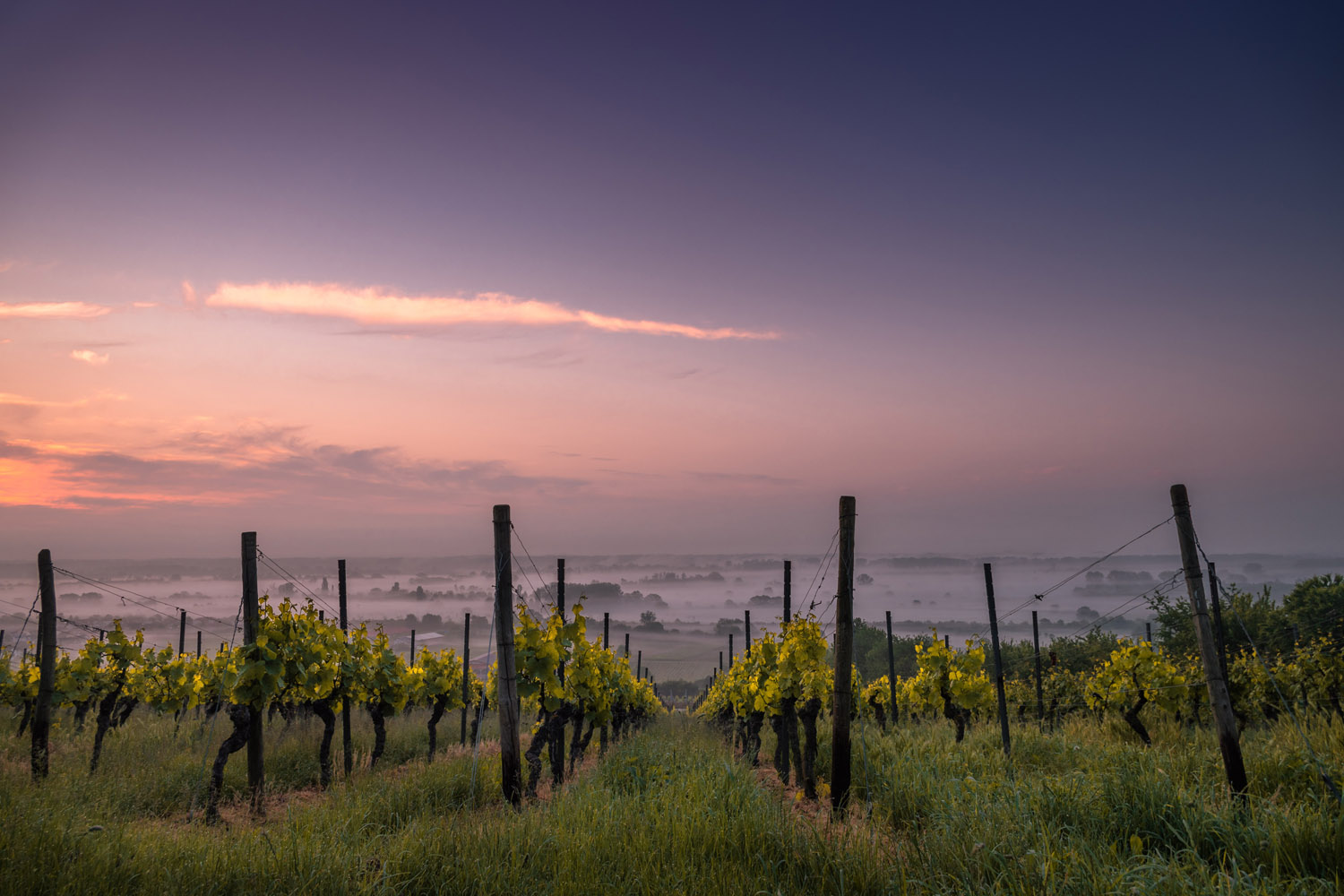

Wine Regions of Australia
Australia is home to some of the world’s oldest vines, with more than sixty wine regions; the first vines were planted outside Sydney in the 1820s. There are wineries to visit from the east to the west coast – most around the coastal region from Adelaide, South Australia, to Brisbane, Queensland, including Tasmania and inland areas such as Coonawarra. The diversity of the terroir is home to over 100 varieties of grape from cool climate on the island of Tasmania to Mediterranean style in the Margaret River region.
HUNTER VALLEY
The Lower Hunter Valley, only a two hour drive north of Sydney, is arguably Australia’s best-known wine region. The region enjoys a warm to hot sub-tropical climate not normally suited to producing quality table wine – cooling afternoon sea breezes are the region’s savior. Originally making its name for long-living Chardonnay, Semillon and Shiraz. The Hunter Valley also produces a substantial amount of the trendier Chardonnay and Sauvignon Blanc varieties. Many boutique wineries, trendy restaurants, bed and breakfasts and art and craft shops have sprung up over the last ten years, catering for the many tourists and Sydney wine lovers who venture north to this picturesque area.
MUDGEE
Mudgee, 260 kilometers north-west of Sydney, was first planted to grapes in 1858 by Adam Roth, and was the first wine-growing region in Australia to grow Chardonnay. Although Mudgee is on the same latitude as the Hunter alley to the east, the district’s average 500 to 1000 meters above sea level provides cooler growing conditions. This leads to a longer growing season which, when combined with the rich soil, produces full and flavorsome wines. Most of the district’s more than 20 wineries are small individual boutiques.
BAROSSA VALLEY
The Barossa Valley, an hour’s drive north of Adelaide, is one of Australia ’s most famous wine regions, and
many of the nation’s largest wine companies have their roots here. The Barossa was settled in the 1840s by
German Lutherans who also brought the first vines to the valley. Today the region remains close to its
roots. Many Shiraz, Grenache and Semillon vineyards here have vines that are between 50 and 100 years
old, producing wines with exceptional depth of fruit. Other grape varieties produced in the region include
Chardonnay, Riesling, Cabernet Sauvignon and Merlot, as well as Semillon and Pinot Noir in the slightly
cooler Eden Valley, nearby.
CLARE VALLEY
The Clare Valley wine region, an hour’s drive north of the Barossa Valley and two hours north of Adelaide,
has a number of elevated vineyards producing wines with distinct cool-climate characteristics and intense
varietal fruit favors. The best example of this is the Clare Valley Riesling, which presents itself with a crisp
and fragrant bouquet, steely herb and Australia would not be complete without a detour to this delightful
region.
ADELAIDE HILLS
The Adelaide Hills vineyards average 400 meters above sea level, just half an hour from the seaside city of
Adelaide. The verdant terrain of this wine region is often steep, with many vineyards facing north to catch
the best sun. Together with the Eden Valley further to the north, the Adelaide Hills forms the largest cool-
climate wine growing region in Australia. Its reputation is growing rapidly as more and more high-profile
wine makers recognize the potential of this area for very high-quality Chardonnay, Pinot Noir and sparkling
wine.
MCLAREN VALE
McLaren Vale is half an hour south of Adelaide, between the southern Adelaide hills and the sea. The area’
s hot summer growing season is tempered by cool afternoon sea breezes. The region is known for ‘old
fashioned’ full-bodied reds, which have as much to do with a mild, temperate climate and complex soils as
with the wine making technique. The region’s white wines also have a certain full-flavored intensity about
them. The region is best known for Shiraz, Cabernet Sauvignon, Chardonnay and, more recently, Sauvignon
Blanc and Chenin Blanc. Its proximity to Adelaide, pleasant sea views and rustic small wineries have made
McLaren Vale a thriving tourist center, spawning many superb, character-filled restaurants and bed and
breakfasts.
COONAWARRA
The Coonawarra is a good four-hour drive south of Adelaide and six hours west of Melbourne. The area’s
cool climate, famed terra rossa soil and high quality underground water produce near-perfect conditions for
growing Cabernet Sauvignon, and the Coonawarra is Australia ’s premier producer of that variety. Other
grapes suited to the area include Shiraz, Chardonnay and Pinot Noir. As all of the terra rossa soil here has
been planted to vines, some Australian wine companies have planted large tracts of land to vines an hour
north at Padthaway and nearby at Wrattonbully.
The Yarra Valley, a cool-climate, low-yielding wine region, is an hour east of Melbourne in the rolling
foothills of the Great Dividing Range. The region’s cold winters and fertile soils help make Chardonnay,
Pinot Noir, Cabernet Sauvignon and sparkling wines at home here. The region’s wine making history dates
to 1840, but the large plantings now producing great wines began in 1968 at the Yarra Yering, Yeringberg
and Fergusson wineries. The French company Moet & Chandon, seeing the district’s potential for sparkling
wines, established the Domaine Chandon winery here in 1985. As more wine-lovers discover this region on
Melbourne’s doorstep, the number of excellent restaurants and luxury boutique hotels and lodges available
here continues to grow.
MORNINGTON PENINSULA
The Mornington Peninsula is an hour’s drive south of Melbourne, bounded by Port Phillip Bay to the north
and Bass Strait (and Tasmania) to the south. This very cool marine climate, not unlike that of the Bordeaux
region in France, produces clean wines with crisp acidity and is best suited to Chardonnay, Pinot Noir,
Sauvignon Blanc and sparkling wines. The hilly peninsula, with its genuine country feel and varying views
over Port Phillip Bay and Bass Strait, is a favorite retreat for Melbourne’s well heeled. Many of the winery
structures here are modern, state-of-the art complexes with their own restaurants, such as Dromana
Estate and Red Hill Estate.
THE MACEDON RANGES
The Macedon Ranges, a short drive north-west of Melbourne, was planted in the 1850s and has seen a
renaissance since replanting in the 1970s. Volcanic and granite soils and a very cool climate provide tough
growing conditions, but good viticultural and wine making skills have produced some great wines in recent
years. The area is known for long-living Shiraz, lime flavors on the palate, and a long, dry finish.
The Pipers River/Tamar Valley region, 35 kilometers north-east of Launceston, is undoubtedly the premier
wine-producing region in Tasmania, with the Pipers Brook and Heemskerk wineries leading the way. The
cool and cloudy climate and the rich, red soils are well suited to viticulture, especially Pinot Noir,
Sauvignon Blanc, Chardonnay, Riesling and sparkling wines. The countryside in north-east Tasmania is very
green and quite hilly, with many of the local towns having the atmosphere of an English country village.
The Margaret River coastal wine region, three hours south of Perth, is blessed with a temperate climate,
high rainfall and good soils. It also has some of the best surfing beaches in the Southern Hemisphere! Vines
were first planted here in the late 1960s by Dr Tom Cully of Vasse Felix, Dr Bill Pannell of Moss Wood and Dr
Kevin Cullen of Cullen’s, all of whom have gone on to produce some of the best wine in the region, and
Australia. There are about 40 wineries in the Margaret River region now, focusing on Cabernet Sauvignon
and Chardonnay, as well as Semillon and Sauvignon Blanc.
PEMBERTON
Pemberton, an exciting new wine region, is just over an hour’s drive to the south-east of Margaret River.
It consists of about 20 vineyards/wineries spread between the timber milling towns of Manjimup to the
north and Pemberton to the south. Visually, the region is stunning and unique, with many of its wineries
nestled among the karri, jarrah and red gum forests. Pemberton’s wineries are gaining a solid reputation,
with the soil well suited to Chardonnay and Pinot Noir. A visit to the south-west of Western Australia is
not to be missed!
GREAT SOUTHERN REGION
The Great Southern Region, almost 400 kilometers south-east of Perth, on the Southern Ocean, spreads
from the coastal towns of Denmark and Albany to the high-altitude towns of Mt Barker and Frankland in the
north. The climate is near perfect for growing vines, being generally cool, with dry summers and wet
winters, while producing Riesling, Chardonnay, Pinot Noir, Cabernet Sauvignon and Shiraz wines of
complexity and intensity. The scenery in this area is also stunning, with the Stirling and Porongurup Ranges
providing a grand backdrop.